
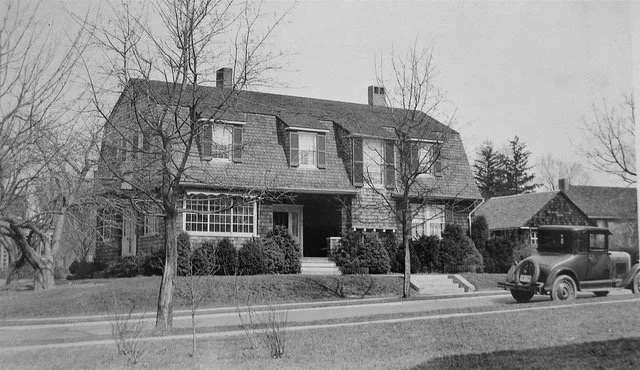
A Neighborhood Shaped by Time and Place
Community Origins
Cedarcroft was established in 1909 as one of Baltimore’s early planned residential communities. At a time when cities were exploring new approaches to residential design, the neighborhood embraced the garden suburb ideal: spacious lots, tree-lined streets, and a cohesive architectural character.
The layout followed the natural contours of the land. Homes were set back from the street, and trees and green spaces helped create a sense of openness. Together, these features gave Cedarcroft a distinctive character that remains recognizable today.
Architecture & Planning
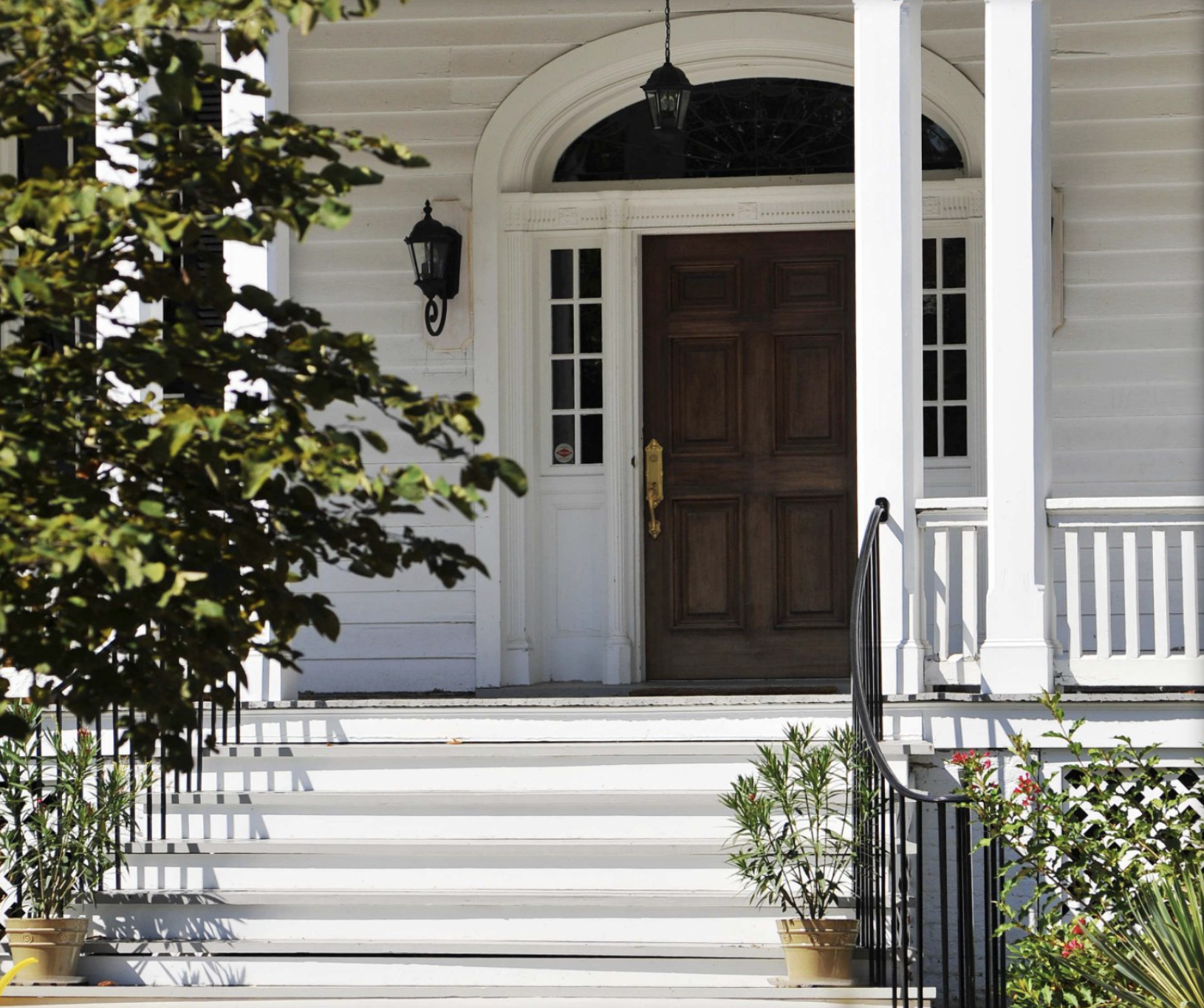
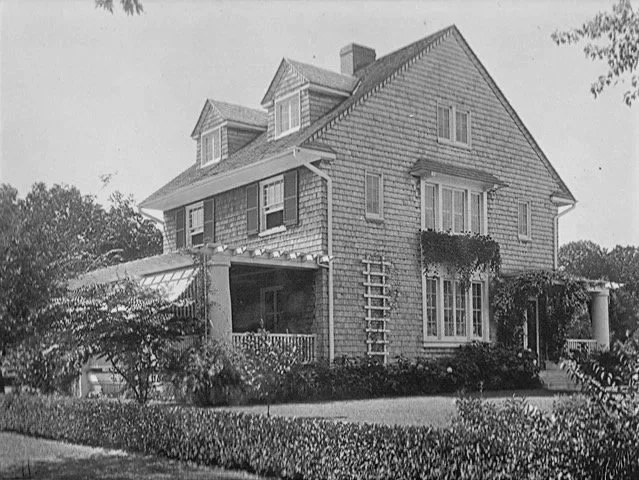
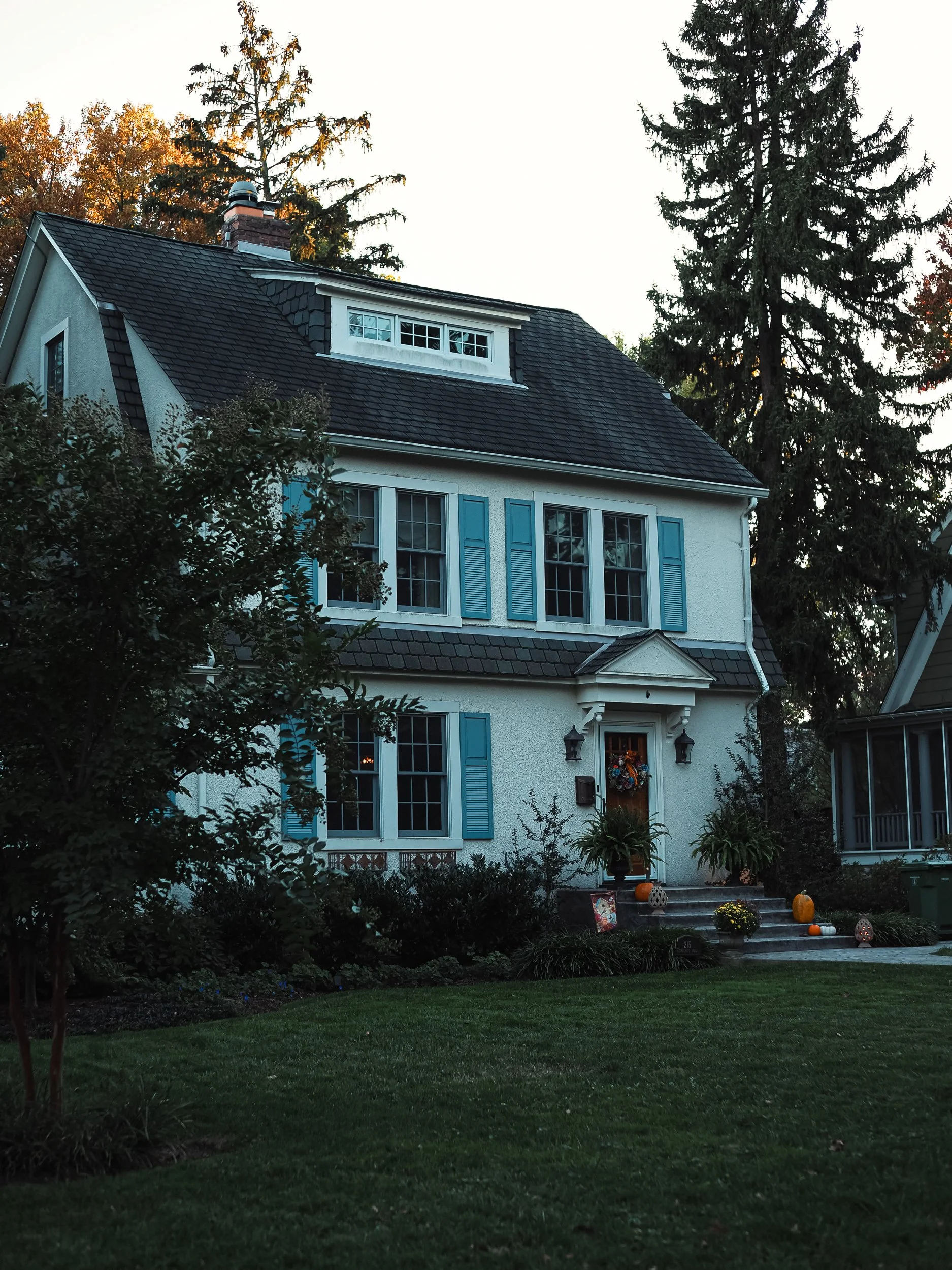
Many of Cedarcroft’s homes were built during the early decades of the 20th century, reflecting architectural styles popular at the time, including Colonial Revival and Tudor Revival. Although the homes vary in design, their scale, setting, and relationship to the streets contribute to a cohesive neighborhood.
Cedarcroft’s historic designation recognizes the significance of this shared architectural and landscape character.
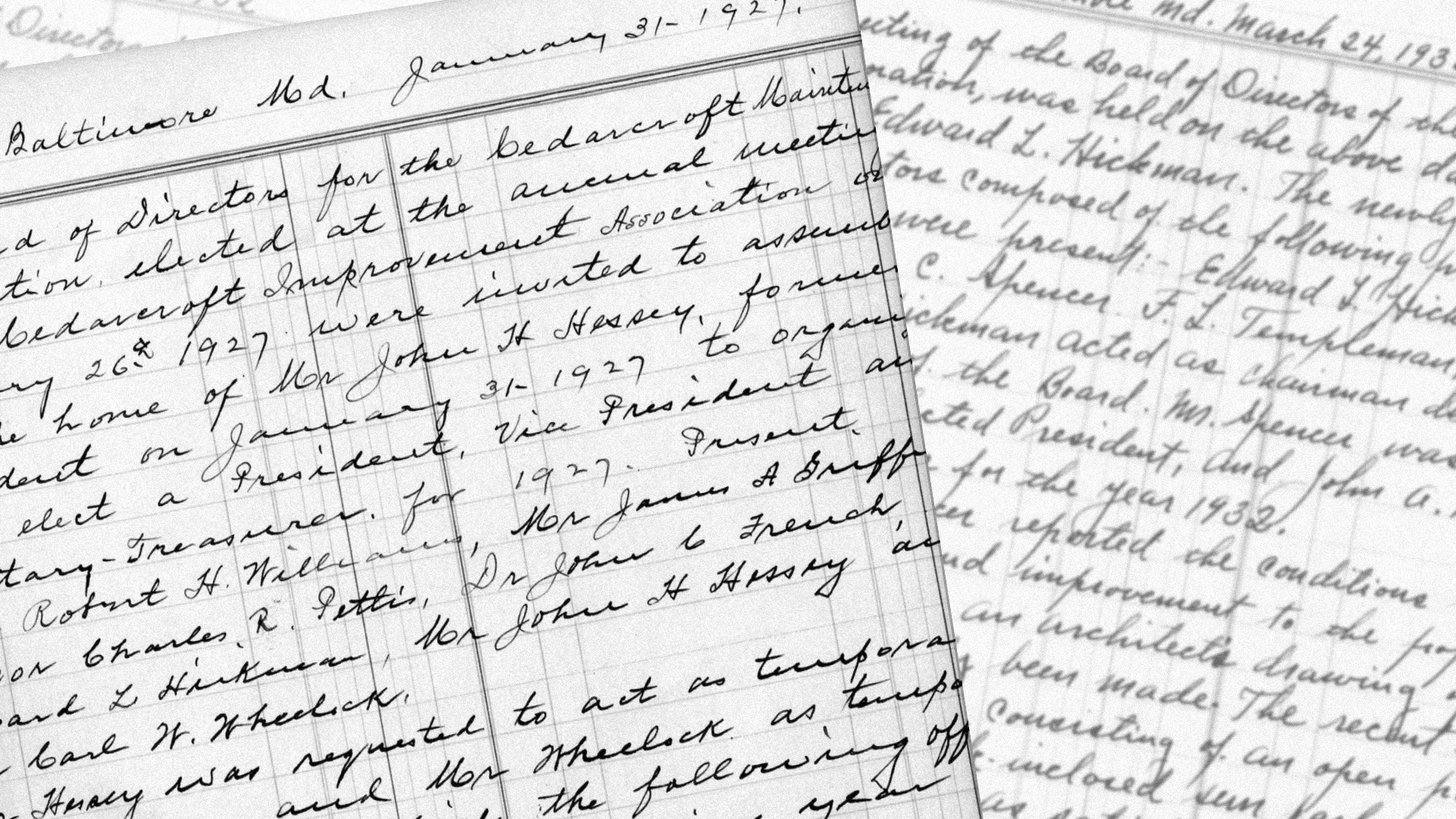
Cedarcroft General Plan
Baltimore, Maryland — 1919
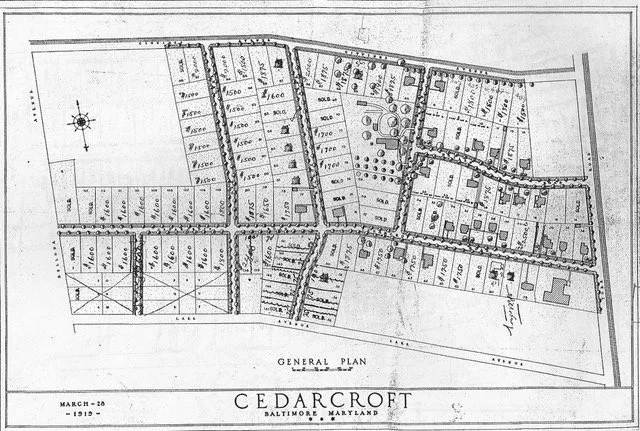
This early plan illustrates the neighborhood’s original street layout and lot arrangement, much of which remains recognizable today.
Cedarcroft Today
Cedarcroft remains a living neighborhood, shaped by residents who care for their homes and contribute to community life. Over time, houses have been maintained and adapted, while the streetscape and established tree canopy continue to define the setting.
Recognized as a National Register Historic District, Cedarcroft carries its original character into the present. Its continued story depends not on keeping the neighborhood unchanged, but on thoughtful care as homes and community needs evolve.
Have a Story to Share?
Every neighborhood has stories that extend beyond its records and photographs. If you have memories, historical photographs, or information about Cedarcroft’s past, we’d welcome hearing from you.